
Feeding a large group at a campsite can feel overwhelming if the plan is not clear from the start. I have cooked for families, friend groups, and mixed crowds where appetites, schedules, and patience levels all varied wildly. Over time, I learned that the key to success is simplicity, not fancy recipes or complicated setups.
Large-group camping dinners work best when meals are easy to scale, forgiving with timing, and flexible enough to accommodate different preferences. Cooking outdoors already comes with enough unpredictability, so dinner should bring people together rather than create stress. A calm approach and the right meal ideas make all the difference.
This article focuses on simple camping dinners for large groups that are practical, filling, and realistic to cook at a campsite. These meals are based on experience, not perfection, and they prioritize smooth execution over impressive presentation.
What Makes a Good Dinner for a Large Camping Group
A good large-group camping dinner starts with scalability. The meal should be easy to increase in quantity without changing the cooking method. Recipes that rely on one pot, one grill, or one main dish simplify everything.
Another important factor is flexibility. People eat at different speeds, some arrive late, and others want seconds. Dinners that can stay warm or be reheated without losing quality work best in group settings.
Cleanup also matters more than people expect. Fewer dishes mean less time spent scrubbing in the dark. Meals that minimize cookware help keep the evening relaxed.
One-Pot Chili for a Crowd
Chili is one of the most reliable dinners for feeding a large camping group. It scales effortlessly, cooks in one large pot, and satisfies a wide range of tastes. I like how chili can simmer while other camp tasks are handled.
Using canned beans, canned tomatoes, and ground meat or meat alternatives keeps preparation simple. Spices can be adjusted to suit the group, and toppings allow customization without extra cooking. Bread or rice on the side stretches the meal even further.
Chili also improves as it sits. This makes timing less stressful and allows late arrivals to enjoy the same quality meal as everyone else.
Campfire Pasta With Simple Sauce
Pasta works surprisingly well for large groups. It is affordable, filling, and easy to portion. Cooking it in a large pot over a camp stove or fire keeps the process straightforward.
Simple sauces are best at camp. Jarred sauce enhanced with spices, canned vegetables, or sausage creates depth without extra effort. Mixing everything together in one pot saves time and dishes.
Pasta dinners feel familiar and comforting. After a long day outdoors, that familiarity goes a long way toward group satisfaction.
Taco Night at the Campsite
Tacos are ideal for large groups because they are customizable. Cooking seasoned meat or beans in bulk provides the base, while toppings allow individual preferences. This flexibility reduces complaints and wasted food.
Tortillas pack easily and serve as plates, which cuts down on dishes. People can build their own meals without slowing the line. This keeps dinner moving smoothly.
Taco nights also encourage social interaction. People gather around the food, chat, and eat at their own pace, which fits camp life well.
Foil Packet Dinners Made in Bulk
Foil packet dinners work well when prepared assembly-line style. Vegetables, protein, and seasoning go into foil packets that cook over coals. Preparing them together speeds things up.
Each packet can be customized slightly, which helps with dietary needs. Once sealed, they require little attention while cooking. This frees time to manage the fire or socialize.
Cleanup is minimal since foil handles most of it. This makes foil packets especially appealing for large groups.
Big Pot Rice and Beans
Rice and beans are simple, filling, and affordable. Cooking them in a large pot creates a base that feeds many people. Seasoning and add-ins keep the dish interesting.
Using quick-cooking rice saves fuel and time. Beans add protein and substance without requiring refrigeration. Together, they form a complete and satisfying meal.
This dish works as a main course or a side. It also pairs well with grilled items if more variety is needed.
Campfire Stew for Shared Meals
Stew feels natural at camp, especially for large groups. A single pot filled with vegetables, broth, and protein can feed many people with minimal effort. Long simmering improves flavor.
Stews are forgiving with timing. They can cook slowly while other activities happen. Stirring occasionally is usually enough.
Serving stew with bread stretches the meal and keeps everyone full. It also creates a cozy atmosphere around the fire.
Grilled Sausage and Veggie Spread
Grilled sausage is one of the easiest proteins to cook for a group. It cooks evenly, holds heat well, and requires little preparation. Pairing it with grilled vegetables creates balance.
Everything can be cooked in batches on a grill. This allows food to stay warm without rushing. Cutting sausage into pieces makes serving easier.
This dinner feels casual and satisfying. It works well for mixed-age groups and different appetites.
Campfire Stir-Fry in Large Skillets
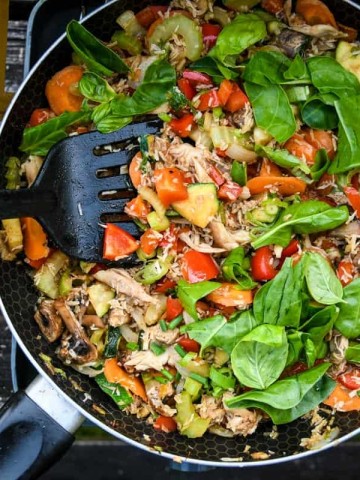
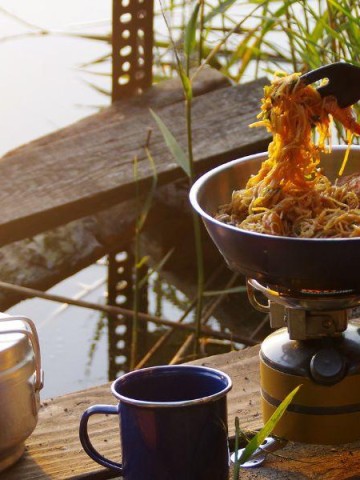
Stir-fry adapts well to group cooking when done in large pans. Using pre-chopped vegetables and protein simplifies preparation. High heat over a fire cooks everything quickly.
Sauce brings the dish together. Simple combinations like soy sauce and spices work well. Rice or noodles on the side complete the meal.
Stir-fry allows flexibility. Ingredients can change based on availability without affecting the overall result.
Baked Potato Bar Over the Fire
A baked potato bar is an easy way to feed a crowd without complicated cooking. Potatoes can be wrapped in foil and cooked in coals. Once done, toppings do the rest.
Toppings like beans, cheese, butter, and vegetables let everyone customize their meal. This reduces complaints and food waste. Potatoes are filling and affordable.
This setup works well when cooking resources are limited. Most of the work happens at once, then dinner serves itself.
Large-Scale Campfire Soup
Soup works well for large groups because it scales easily. Using canned broth, vegetables, and protein creates a hearty meal. Cooking everything in one pot keeps things simple.
Soup stays warm for long periods, which helps with staggered eating. It also requires minimal supervision once simmering. Bread or crackers complete the meal.
Soup feels comforting, especially in cooler weather. It brings people together around the fire naturally.
Simple Campfire Curry for Groups
Curry is surprisingly practical for camping. Using paste or powder simplifies seasoning. Coconut milk and vegetables create a rich base.
Cooking curry in a large pot allows flavors to develop slowly. Rice stretches the meal and keeps it filling. Spice levels can be adjusted easily.
Curry works well for mixed dietary needs. Meat and plant-based versions can be cooked separately or combined thoughtfully.
Skillet-Based Sloppy Joes
Sloppy joes are easy to prepare in bulk. Ground meat or alternatives cook quickly in a large pan. Sauce comes together with minimal ingredients.
Buns serve as both plate and utensil. This reduces cleanup significantly. People can eat at their own pace.
This dinner feels familiar and satisfying. It works well for casual group camping trips.
Campfire Flatbread Pizzas
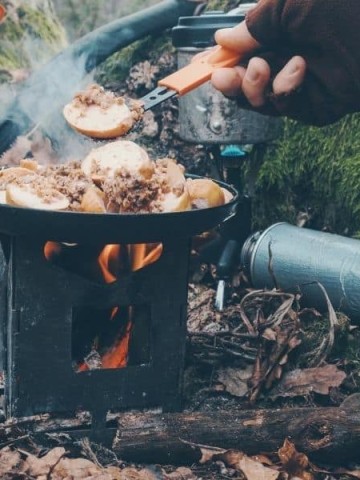
Flatbread pizzas add fun to group dinners. Using store-bought flatbreads saves time. Toppings can be shared and customized.
Cooking pizzas in batches over a grill or pan keeps things manageable. Everyone can help assemble their own. This creates involvement without stress.
Flatbread pizzas feel social and relaxed. They turn dinner into an activity rather than a chore.
Managing Timing for Large Group Dinners
Timing matters more with large groups. Starting early reduces pressure. Meals that can simmer or stay warm help manage delays.
I plan dinners that tolerate uneven serving times. This keeps food enjoyable for everyone. Flexibility prevents frustration.
Clear communication helps. Letting people know when food will be ready sets expectations.
Portion Planning for Big Groups
Estimating portions for large groups is tricky. I plan slightly more than needed to avoid shortages. Leftovers are better than hungry campers.
Using filling ingredients like rice, potatoes, and beans stretches meals. These staples balance cost and satisfaction. They also accommodate second helpings.
Serving tools matter. Large ladles and spoons keep lines moving and portions consistent.
Simplifying Cleanup After Group Dinners
Cleanup can make or break group morale. Using disposable liners, foil, and shared cookware reduces effort. Planning cleanup ahead saves time.
Assigning small cleanup tasks spreads the workload. This prevents burnout. Group effort keeps things light.
Ending the night with a clean campsite improves the experience. It sets a positive tone for the next day.
Adapting Dinners for Mixed Diets
Large groups often include different dietary needs. Choosing flexible meals prevents complications. Base dishes with optional add-ins work best.
Separating proteins or toppings allows customization. This avoids cooking entirely separate meals. Thoughtful planning saves time.
Respecting preferences keeps the group happy. Simple adjustments go a long way.
Keeping Dinner Social and Relaxed
Large-group dinners are about more than food. They are a chance to connect and unwind. Simple meals support that goal.
Cooking together builds camaraderie. Sharing tasks makes dinner feel communal rather than stressful. This atmosphere matters.
I focus on flow rather than perfection. A relaxed dinner beats an impressive one every time.
Final Thoughts
Simple camping dinners for large groups succeed when planning, flexibility, and simplicity come together. These meals prioritize ease, scalability, and shared enjoyment. They are designed for real campsites, not ideal conditions.
Over time, I have learned that the best group dinners are rarely complicated. They rely on familiar foods, forgiving recipes, and calm execution. Everyone leaves the table full and content.
Feeding a large group outdoors does not need to be stressful. With the right approach, dinner becomes one of the most enjoyable parts of the camping experience.
Leave a Reply