
Camp cooking shapes the entire outdoor experience for me. The way food is prepared, the pace of meals, and even the mood around the campsite often depend on whether I am cooking over an open fire or using a camping stove. Both methods have strong advantages, and both come with limitations that matter once real hunger, weather, and timing enter the picture.
I have cooked full meals using nothing but glowing coals, and I have also relied on compact stoves to get dinner on the table quickly. Each approach creates a very different rhythm at camp. Comparing campfire cooking vs camping stove cooking is not about declaring one superior, but about understanding how each fits different trips, locations, and expectations.
The Feel of Cooking Over a Campfire
Cooking over a campfire feels deeply connected to the outdoors. Firelight, crackling wood, and the smell of smoke turn meal prep into an experience rather than just a task. I find that meals cooked this way tend to slow everyone down, encouraging conversation and patience while food cooks.
The fire itself becomes the centerpiece of camp. Kids and adults gather around, watching flames shift and embers glow while dinner takes shape. Cooking feels less rushed, and meals often stretch longer because the fire invites people to linger.
That atmosphere is difficult to replicate with any other cooking method. Even a simple meal feels special when it is cooked over open flames, and that sense of tradition and connection is a big part of why many people love campfire cooking.
Fire Management and Skill Level
Cooking over a campfire demands attention and experience. Fire temperature changes constantly, and controlling heat takes practice. I have learned that cooking over flames rarely works well, and glowing coals are far more reliable for even heat.
Managing a fire means adjusting logs, waiting for the right burn-down stage, and occasionally restarting sections of the fire. This adds time and effort to meal prep. It also requires patience, especially for beginners who may struggle with uneven cooking or burnt food.
Camping stove cooking, by comparison, removes much of that uncertainty. Heat levels are consistent and adjustable, which reduces the learning curve. For newer campers, this difference alone can make stove cooking feel far less intimidating.
Speed and Efficiency at Mealtime
One of the biggest differences I notice between campfire cooking vs camping stove cooking is speed. A camping stove heats up almost instantly. Meals can be started and finished quickly, which matters when daylight fades or weather turns bad.
Campfire cooking takes longer from start to finish. Building a fire, letting it burn down, and maintaining usable coals all add time before food even touches a pan. While that time can be enjoyable, it is not always practical.
On trips where schedules are tight or energy is low, the efficiency of a stove is hard to beat. When time allows and the mood is relaxed, the slower pace of a campfire can feel like a benefit rather than a drawback.
Flavor Differences in Finished Meals
Flavor is often cited as the biggest advantage of campfire cooking. Smoke adds depth to food, even when meals are simple. Vegetables, meats, and even bread take on a character that is hard to replicate with a stove.
That said, not every meal benefits from smoky flavor. Delicate dishes, sauces, and breakfast foods can easily pick up too much smoke. I have learned that campfire cooking requires careful positioning and timing to avoid overpowering flavors.
Camping stove cooking produces cleaner, more predictable results. Food tastes closer to how it would at home, which can be comforting on longer trips. This consistency is especially helpful for picky eaters or meals where precise flavor matters.
Equipment and Packing Considerations
Campfire cooking often requires less specialized equipment but more bulky tools. Grill grates, cast iron pans, fire-safe gloves, and long utensils all take up space. Some campsites provide fire rings, while others require bringing additional gear.
Camping stoves are compact and efficient. A single stove, fuel canister, and lightweight cookware can handle most meals. This makes stove cooking appealing for car camping and nearly essential for backpacking.
The type of trip plays a major role here. For minimalist setups, a stove usually wins. For longer stays with vehicle access, campfire gear becomes easier to justify.
Weather and Environmental Factors
Weather has a major impact on cooking options. Wind, rain, and fire restrictions can make campfire cooking difficult or impossible. I have experienced trips where fire bans forced a complete shift in meal plans.
Camping stoves perform better in unpredictable conditions. Many are designed to block wind and function reliably in light rain. This reliability makes them a safer choice in regions with changing regulations or uncertain forecasts.
Environmental responsibility also matters. In sensitive areas, minimizing fire use protects the landscape. Stoves reduce impact and are often encouraged or required in certain parks.
Cleanup and Post-Meal Effort
Cleanup is an overlooked part of cooking, but it matters at camp. Campfire cooking often results in soot-covered cookware. Cleaning pots and pans takes more effort, especially when water is limited.
Ash, food drips, and grease also require careful disposal. Leaving a fire ring clean takes time and attention. This adds to the overall workload of campfire cooking.
Camping stove cooking usually leads to cleaner cookware and easier cleanup. Flame control helps prevent spills, and pots stay relatively soot-free. When energy is low after dinner, this simplicity becomes very appealing.
Safety Considerations Around Camp
Open flames always require caution. Campfires must be monitored constantly, especially around children or pets. I stay aware of sparks, shifting logs, and changing wind conditions.
Camping stoves are not risk-free, but they are more contained. Proper setup and ventilation reduce hazards significantly. This controlled environment feels safer in crowded campsites or small cooking areas.
Safety concerns do not eliminate campfire cooking, but they do require mindfulness. Knowing the setting and who is present helps determine which method is more appropriate.
Meal Variety and Cooking Styles
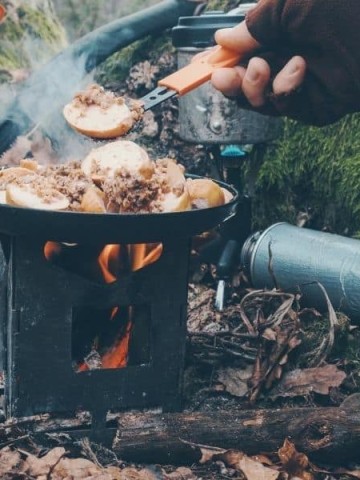
Campfire cooking supports certain styles of meals particularly well. Foil packets, skewers, grilled meats, and one-pot stews shine over coals. These meals feel rustic and satisfying.
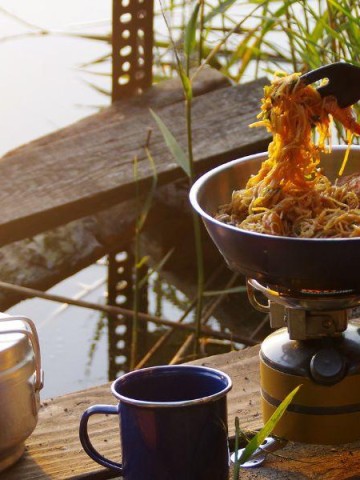
Camping stoves excel at boiling, sautéing, and simmering. Breakfasts, pasta dishes, soups, and quick stir-fries are easier to manage with adjustable burners. Precision opens the door to a wider range of recipes.
I find that combining both methods often delivers the best results. Fires handle slow, flavorful meals while stoves cover quick breakfasts and backup cooking.
Fuel Availability and Planning
Firewood availability varies widely by location. Some campsites sell bundles, while others prohibit bringing wood from outside areas. Gathering wood is not always allowed or practical.
Camping stove fuel is predictable. I can calculate how much I need and pack accordingly. This reliability reduces stress, especially on longer trips.
Running out of fuel is still possible, but it is easier to manage than relying on uncertain firewood supplies. Planning ahead makes stove cooking feel more controlled.
Social Experience Around the Meal
Meals cooked over a fire naturally become social events. People gather, talk, and participate in the process. Cooking becomes part of the entertainment rather than a separate task.
Camping stove cooking is more utilitarian. It gets food ready efficiently but does not draw people together in the same way. Meals tend to be eaten and finished more quickly.
Both experiences have value. Some trips call for long evenings by the fire, while others prioritize early nights and quick dinners.
Flexibility for Different Types of Trips
Short weekend trips often benefit from camping stove cooking. Time is limited, and efficiency matters. Stoves make it easy to maximize outdoor activities without sacrificing good meals.
Longer stays allow campfire cooking to shine. With more time and less pressure, fire-based meals become part of the rhythm of camp life. The slower pace feels appropriate and enjoyable.
Backpacking trips almost always rely on stoves due to weight and regulations. Car camping opens the door to either method or a combination of both.
Cost and Long-Term Use
Campfires can be inexpensive if wood is readily available, but purchased firewood adds up over time. Specialized cookware for fire use also represents an investment.
Camping stoves require upfront cost and ongoing fuel purchases. However, the efficiency and durability of modern stoves make them long-lasting tools.
Over time, both methods balance out financially. The real difference lies in how often and where each method is used.
Blending Both Methods at Camp
I rarely limit myself to just one approach. Campfire cooking vs camping stove cooking does not have to be an either-or decision. Using both allows flexibility and balance.
Stoves handle quick meals, morning coffee, and weather-related challenges. Fires provide atmosphere and memorable dinners. Together, they create a more adaptable camp kitchen.
This blended approach also serves as a backup plan. If one method fails due to weather or restrictions, the other keeps meals on track.
Final Thoughts From the Campsite
Both campfire cooking and camping stove cooking have a place in outdoor life. Each method shapes meals, schedules, and social dynamics in different ways. The best choice depends on the trip, the location, and the people involved.
I find value in understanding the strengths of each rather than favoring one exclusively. Campfire cooking brings tradition, flavor, and connection. Camping stove cooking delivers reliability, speed, and control.
Knowing when to use each method makes camping meals smoother and more enjoyable. With the right approach, food becomes one of the strongest highlights of any camping trip.
Leave a Reply