
Foil packet cooking has become one of my favorite ways to handle meals at camp because it strikes a balance between simplicity and flavor. After a long day outdoors, the last thing I want is a complicated cooking setup or a pile of dishes waiting to be cleaned. Foil packets allow me to prep ingredients, cook them evenly over the fire, and eat a satisfying meal with very little cleanup. That convenience alone makes them worth mastering.
What really keeps me coming back to foil packet meals is their flexibility. Almost any combination of protein, vegetables, and seasoning can work if packed correctly. Foil Packet Recipes for Campfire Cooking make it possible to enjoy hearty, well-seasoned meals even with limited tools and unpredictable heat. With a bit of planning and some creativity, foil packets turn campfire cooking into a relaxed and enjoyable part of the trip.
Why Foil Packets Work So Well at Camp
Foil packets thrive in a campfire setting because they protect food from direct flames while still allowing heat to circulate. This creates a gentle cooking environment that reduces the risk of burning. I appreciate how forgiving this method is, especially when cooking over uneven coals. It gives me more room to focus on timing and flavors rather than constant monitoring.
Another reason foil packets shine is portion control. Each packet becomes a self-contained meal, which works well for groups. Everyone can customize their own packet without affecting the rest. This approach keeps meals organized and stress-free, even when cooking for several people at once.
Basic Foil Packet Setup
A good foil packet starts with sturdy aluminum foil and a thoughtful layering of ingredients. I usually use heavy-duty foil or double layers to prevent leaks and tearing. Creating a shallow bowl shape helps hold liquids and seasonings close to the food. This setup encourages even cooking and better flavor distribution.
I always leave a little space inside the packet for steam to circulate. Folding the edges tightly prevents juices from escaping while still allowing heat to move through. Once sealed, the packet becomes its own mini oven. This simple structure supports a wide range of recipes.
Campfire Chicken and Vegetable Packets
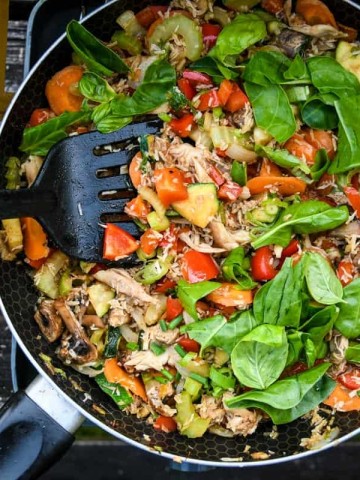
Chicken foil packets are reliable, filling, and easy to customize. I often use boneless chicken pieces because they cook evenly and absorb flavor well. Pairing them with vegetables like bell peppers, onions, and zucchini creates a balanced meal. A drizzle of oil and a few seasonings tie everything together.
I place the chicken at the bottom of the packet and layer vegetables on top. This helps the meat cook thoroughly while vegetables soften in the juices. After sealing the packet, I place it on hot coals and turn it once during cooking. The result is tender chicken and flavorful vegetables with minimal effort.
Sausage and Potato Foil Packets
Sausage and potato packets feel especially satisfying at camp. The ingredients are hearty and hold up well to longer cooking times. I like using pre-cooked sausage slices paired with thinly sliced potatoes. Adding onions or peppers brings extra flavor and texture.
Potatoes benefit from being sliced thin so they cook evenly. I toss everything with oil, salt, and pepper before sealing the packet. Cooking over steady heat allows the potatoes to soften while the sausage releases its flavor. This meal feels comforting and filling after a full day outdoors.
Foil Packet Fish With Lemon and Herbs
Fish cooks beautifully in foil packets and requires very little intervention. I prefer firm fish that holds its shape during cooking. Adding lemon slices and fresh or dried herbs keeps the flavor light and fresh. This option feels lighter than many camp meals while still being satisfying.
I place the fish on a bed of vegetables or directly on the foil with oil to prevent sticking. Lemon slices go on top, along with herbs and seasoning. The packet cooks quickly, so I keep an eye on timing. The fish turns flaky and aromatic without drying out.
Beef and Vegetable Foil Packets
Beef foil packets work best with thin cuts or ground beef formed into patties. I like pairing beef with vegetables that can handle longer cooking times, such as carrots or potatoes. A simple seasoning blend adds depth without overpowering the meat. This meal feels hearty and familiar.
I arrange the beef at the center of the packet with vegetables around it. This allows the juices to flavor everything as it cooks. Turning the packet once helps distribute heat evenly. The finished meal feels complete and satisfying.
Campfire Foil Packet Fajitas
Foil packet fajitas bring bold flavor to camp cooking without extra gear. Sliced meat, onions, and peppers cook together in one packet. I enjoy how customizable this meal is, especially for groups with different preferences. Everyone can build their own packet with their favorite ingredients.
I season the ingredients generously before sealing the packet. Cooking over medium heat allows everything to soften and blend flavors. Once cooked, the filling can be served in tortillas or eaten straight from the packet. This meal feels lively and fun around the fire.
Breakfast Foil Packets With Eggs and Veggies
Foil packets are not just for dinner. Breakfast packets make mornings easier and more relaxed. I combine beaten eggs with vegetables and cooked meat for a filling start to the day. This approach reduces morning prep and cleanup.
I grease the foil lightly before adding ingredients to prevent sticking. Cooking over gentle heat helps the eggs set without burning. These packets cook quickly and can be customized easily. Breakfast feels warm and satisfying without much effort.
Foil Packet Pasta Meals
Pasta in foil packets might sound unusual, but it works surprisingly well with the right preparation. I use pre-cooked pasta combined with sauce, vegetables, and protein. This reduces cooking time and ensures even results. The packet reheats everything while allowing flavors to blend.
I add a splash of water or sauce to prevent drying out. Sealing the packet tightly keeps moisture inside. Cooking over indirect heat warms everything evenly. The result is a comforting meal that feels familiar even at camp.
Vegetarian Foil Packet Options
Vegetarian foil packets offer plenty of variety and flavor. I often use combinations of vegetables, beans, and grains. Adding spices and sauces brings depth without needing meat. These packets work well for mixed groups.
Vegetables like mushrooms, squash, and peppers cook evenly and absorb seasoning well. Beans add protein and make the meal more filling. Cooking times may vary, so cutting ingredients evenly helps. Vegetarian packets prove that camp meals can be satisfying without meat.
Foil Packet Desserts Over the Fire
Foil packets shine just as brightly when it comes to dessert. Fruit-based packets are easy and require minimal ingredients. I often use apples, bananas, or berries with a bit of sugar and spice. The heat softens the fruit and creates a warm, sweet treat.
I wrap the fruit tightly and place the packet near the edge of the fire. Gentle heat prevents burning and allows juices to collect. These desserts feel comforting and simple. Cleanup remains just as easy as with savory packets.
Timing and Heat Control
Managing heat is key to successful foil packet cooking. I prefer cooking over hot coals rather than open flames. This provides steady heat and reduces the risk of burning. Turning packets occasionally helps cook food evenly.
Cooking times vary based on ingredients and packet size. Thinner cuts cook faster, while dense vegetables need more time. I check for doneness carefully before opening. Patience pays off with better results.
Prepping Foil Packets at Home
Preparing foil packets at home saves time and effort at camp. I often assemble packets ahead of time and store them in a cooler. This approach simplifies cooking and reduces mess. It also ensures ingredients are portioned correctly.
Prepping ahead allows flavors to develop before cooking. Marinades and seasonings soak in during travel. At camp, packets can go straight onto the fire. This makes meal times smoother and more enjoyable.
Packing and Transport Tips
Proper packing prevents leaks and damage during travel. I place foil packets in sturdy containers or zip-top bags. This keeps coolers clean and organized. Labeling packets helps identify meals easily.
I also pack extra foil for adjustments or unexpected needs. Having backup foil prevents small issues from becoming problems. Preparation supports smooth cooking at camp.
Safety and Cleanup Considerations
Safety matters when cooking with foil packets. I use long-handled tools to move packets and avoid burns. Allowing packets to cool slightly before opening prevents steam burns. Careful handling keeps cooking safe and enjoyable.
Cleanup is one of the biggest benefits of foil packet cooking. Used foil can be packed out easily. Minimal dishes mean less water use and less time cleaning. This aligns well with responsible camping practices.
Making Foil Packets Part of Camp Tradition
Foil Packet Recipes for Campfire Cooking have become a regular part of my camping routine. They bring consistency and comfort to outdoor meals. Cooking feels approachable even for beginners. The shared experience of opening packets together adds to the enjoyment.
This method encourages creativity without requiring advanced skills. Ingredients can change, but the process stays familiar. Foil packets make campfire cooking feel inclusive and rewarding. That simplicity keeps me coming back trip after trip.
Bringing It All Together
Foil Packet Recipes for Campfire Cooking offer a practical and enjoyable way to handle meals outdoors. They reduce stress, save time, and deliver reliable results. With thoughtful prep and simple techniques, camp meals can feel both easy and satisfying. The fire becomes a place for cooking and connection.
By embracing foil packet cooking, outdoor meals become something to look forward to. The balance of flavor, convenience, and minimal cleanup supports a relaxed camping experience. With each packet placed on the coals, dinner feels well within reach.
Leave a Reply