
Good camping food starts long before the tent is pitched or the fire is lit. I have found that the more work I do at home, the more relaxed and enjoyable meals become at the campsite. Instead of scrambling with knives, cutting boards, and half-forgotten ingredients, I can focus on cooking, eating, and spending time outdoors. Meal prep at home turns camp cooking from a chore into part of the experience.
Prepping camping meals at home is about reducing friction once you are outside. Limited space, uneven surfaces, wind, and low light all make cooking harder than it is in a kitchen. By planning and preparing ahead of time, I avoid unnecessary stress and wasted food. How to Prep Camping Meals at Home is less about strict systems and more about smart habits that make outdoor meals smoother and more satisfying.
Planning Meals With the Trip in Mind
The first step I take is thinking about the type of trip ahead. A weekend car camping trip allows for more flexibility than a multi-day hike or remote site. I consider how many meals I will need, how much energy cooking will require, and how much cleanup I want to deal with. This helps narrow down realistic meal options.
I also think about the rhythm of each day. Long hiking days call for quick dinners, while relaxed mornings leave room for slower breakfasts. Planning meals that match the pace of the trip prevents frustration later. This step sets the foundation for everything that follows.
Building a Simple Meal Plan
Once I have a general sense of the trip, I sketch out a loose meal plan. I do not aim for rigid schedules, but I like knowing what ingredients are needed for each meal. This keeps grocery shopping efficient and prevents overpacking. It also ensures meals feel balanced rather than repetitive.
I try to reuse ingredients across different meals to save space and effort. Vegetables chopped for dinner might also appear in breakfast hash the next morning. Proteins cooked ahead can be repurposed in multiple ways. This kind of overlap makes prep easier and reduces waste.
Selecting Meals That Prep Well
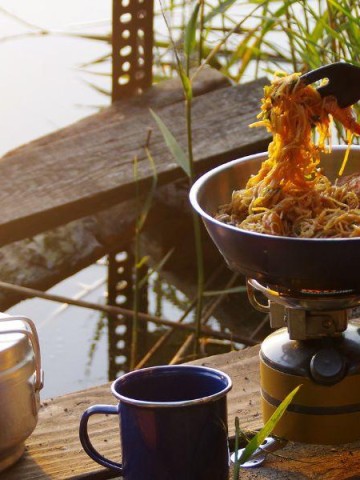
Not every recipe translates well to camping, especially if most of the work is saved for the campsite. I focus on meals that benefit from advance preparation or partial cooking. Stews, marinades, and one-pot meals tend to improve with time. These are ideal candidates for home prep.
I avoid meals that require lots of last-minute chopping or delicate timing. Camp cooking works best when steps are simple and forgiving. Meals that can be reheated or finished over a fire are especially convenient. This approach makes outdoor cooking feel relaxed rather than rushed.
Pre-Chopping Vegetables
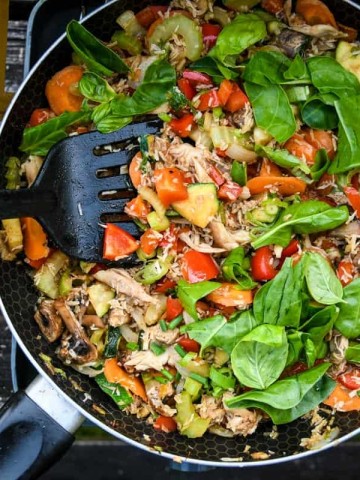
One of the biggest time savers is chopping vegetables at home. I wash, peel, and cut everything before packing it away. This eliminates the need for a cutting board and knife at camp. It also reduces mess and cleanup.
I store pre-chopped vegetables in airtight containers or reusable bags. Labeling them helps avoid confusion later. This small step saves a surprising amount of effort and keeps meals moving smoothly.
Pre-Cooking Proteins
Cooking raw meat at camp can be messy and time-consuming. When possible, I cook proteins at home before the trip. Grilled chicken, browned ground meat, or roasted sausages reheat easily and safely. This also reduces the risk of cross-contamination.
I let cooked proteins cool completely before packing them. Storing them in sealed containers keeps them fresh and organized. At camp, they only need warming or light finishing, which saves fuel and attention.
Marinating at Home
Marinating ingredients ahead of time adds flavor without extra work later. I often marinate meats or vegetables at home and freeze them. This allows the flavors to develop fully before cooking. It also helps keep cooler temperatures stable during travel.
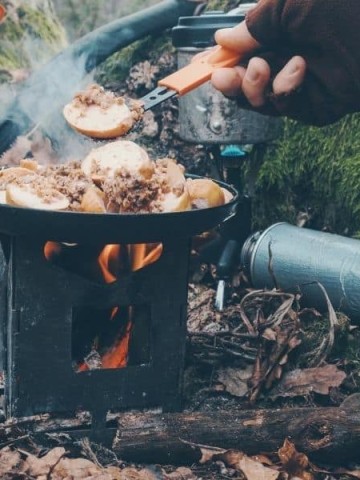
Marinated items can go straight from the cooler to the grill or pan. This simplifies seasoning and reduces the number of spices needed at camp. The result is flavorful food with minimal effort.
Portioning Meals Ahead of Time
Portioning meals at home helps control quantities and reduces waste. I divide ingredients into meal-sized portions so nothing needs to be measured later. This is especially helpful when cooking for groups. Everyone gets enough without overcooking.
Portioning also speeds up cooking and cleanup. There is no guessing or improvising under pressure. Everything is ready to go when it is time to cook.
Using Freezer-Friendly Meals
Freezer-friendly meals are a powerful tool for camping prep. I often prepare soups, stews, chili, or pasta sauces and freeze them flat. These frozen meals act as extra ice in the cooler. They thaw gradually and are ready to heat by the time they are needed.
Freezing meals also locks in freshness. I do not worry about spoilage during travel. At camp, reheating a fully cooked meal feels like a luxury with very little effort.
Pre-Mixing Dry Ingredients
Dry ingredient mixes save space and simplify cooking. Pancake mix, spice blends, and baking ingredients can all be combined at home. I store them in labeled bags or containers. This eliminates the need to pack multiple small packages.
At camp, I only need to add water or oil. This reduces cleanup and decision-making. Pre-mixed ingredients keep meals consistent and stress-free.
Prepping Breakfast Foods
Breakfast sets the tone for the day, so I like to make it easy. Overnight oats, breakfast burritos, and pre-cooked bacon all work well. These items can be prepared fully or partially at home. Mornings at camp feel calmer as a result.
I often wrap breakfast burritos individually and freeze them. They reheat well over a pan or fire. Having breakfast ready to go means more time enjoying the morning outdoors.
Packing Meals by Day
Organizing food by day makes a noticeable difference. I pack meals together based on when they will be eaten. This prevents digging through the cooler or food bin. It also helps with portion control and planning.
Labeling containers with the day and meal helps everyone stay on the same page. This system keeps food organized and reduces stress. It also makes it easier to track what has already been eaten.
Reducing Packaging and Waste
Meal prep at home allows me to reduce unnecessary packaging. I remove store packaging and transfer food into reusable containers. This saves space and reduces trash at the campsite. Less waste makes cleanup easier.
Reusable containers also protect food better during travel. They stack neatly and prevent spills. This small effort improves organization and sustainability.
Prepping Snacks in Advance
Snacks are just as important as meals, especially on active trips. I portion trail mix, cut fruit, and prepare snack packs at home. This avoids constant rummaging and over-snacking. It also keeps energy levels steady.
Having snacks ready encourages better eating habits outdoors. It is easier to grab something healthy when it is already prepared. This keeps everyone fueled between meals.
Labeling Everything Clearly
Clear labels prevent confusion, especially in low light or crowded coolers. I label containers with contents and dates. This helps prioritize what should be eaten first. It also avoids unnecessary opening and handling.
Labels also help when multiple people are cooking. Everyone knows what is available and how it fits into meals. This keeps camp cooking cooperative rather than chaotic.
Testing Recipes Before the Trip
I prefer not to experiment with brand-new recipes at camp. Testing meals at home ensures they work and taste good. This avoids disappointment in a setting where options are limited. Familiar meals are more reliable outdoors.
Testing also helps refine portion sizes and prep steps. I can adjust seasoning or cooking times ahead of time. This preparation leads to confidence at camp.
Packing Tools Based on Prep Level
The more I prep at home, the fewer tools I need to pack. If vegetables are chopped and proteins are cooked, I can leave extra knives behind. This simplifies the camp kitchen. Less gear means less setup and cleanup.
I tailor my cooking tools to match the prep work done. This intentional packing keeps things efficient. It also saves space and weight.
Managing Food Safety
Food safety is easier to manage with home prep. Cooking meats ahead reduces the risk of undercooking at camp. Sealed containers protect food from dirt and insects. These steps create peace of mind.
I keep a close eye on cooler temperatures and rotate frozen meals strategically. This maintains safe storage throughout the trip. Thoughtful prep supports safe and enjoyable eating.
Making Camp Cooking More Enjoyable
The biggest benefit of prepping camping meals at home is how it changes the experience. Cooking becomes relaxed rather than rushed. Meals feel intentional instead of improvised. This shift improves the entire trip.
I spend less time worrying about logistics and more time enjoying the outdoors. Camp meals become moments of connection rather than stress. That is the real reward of preparation.
Bringing It All Together
How to Prep Camping Meals at Home is about setting yourself up for success before leaving. A little planning and preparation create smoother, more enjoyable days outside. Meals become something to look forward to rather than manage. That difference matters.
With smart prep, camp cooking feels simple and satisfying. Food tastes better, cleanup is easier, and time is used well. The effort put in at home pays off every time the fire is lit and a meal comes together with ease.
Leave a Reply